Transform Your Smile with Composite Bonding
Looking for a simple, non-invasive way to upgrade your smile? Composite bonding might be your perfect match. At Dentistry on the Clyde in Gourock, we’re passionate about helping you achieve the smile of your dreams, with no drilling, no damage, and no downtime.
Whether it’s a chipped tooth, small gaps, or discolouration that’s holding you back, composite bonding can work wonders. Let’s break down everything you need to know about this popular treatment that’s winning hearts – and smiles – across the UK.
What Is Composite Bonding?
Composite bonding is a cosmetic dental procedure that involves applying a tooth-coloured resin to improve the shape, colour, or appearance of your teeth.
Think of it as a little “cosmetic touch-up” for your teeth – like makeup, but longer-lasting and completely natural-looking.
Why Choose Composite Bonding?
- No needles or drilling
- Instant results in just one visit
- Cost-effective compared to veneers
- Natural finish and colour matching
- Boosts your confidence and smile appeal
It’s ideal if you want fast, effective results without going full Hollywood.
Why We Recommend Composite Bonding in Gourock
At Dentistry on the Clyde, we don’t believe in one-size-fits-all solutions. That’s why our composite bonding treatment is fully tailored to suit your face shape, smile line, and personality.
Our expert team takes time to understand exactly what you’re hoping to achieve and delivers results that are both natural and stunning.
Common Issues Composite Bonding Can Fix
- Chipped or cracked teeth
- Small gaps between teeth
- Tooth discolouration
- Uneven edges or shapes
- Minor misalignment
It’s basically a Swiss Army knife for smile flaws – multi-purpose and ultra-effective.
Meet Your Smile Team at Dentistry on the Clyde
When it comes to your smile, you want a team you can trust.
Our clinicians are highly experienced in cosmetic dentistry, especially composite bonding. We’ve completed hundreds of transformations right here in Gourock and we take great pride in every single one.
What Happens During Your Composite Bonding Appointment?
1. Consultation and Smile Design
We chat through your goals, snap some pictures, and sometimes even do a digital smile mock-up.
2. Tooth Preparation
Don’t worry, there’s no drilling or damage. We just lightly roughen the surface of your teeth for better bonding.
3. Resin Application
The composite resin is carefully sculpted onto your teeth. It’s like a mini piece of art!
4. Polishing and Shaping
We use high-gloss polish to give your teeth that fresh, sparkling finish.
How Long Does Composite Bonding Last?
With proper care, composite bonding can last anywhere from 3 to 7 years. Avoiding habits like biting your nails or opening packets with your teeth can really help preserve your new smile.
Composite Bonding vs Veneers: What’s the Difference?
|
Feature |
Composite Bonding |
Veneers |
|
Cost |
More affordable |
Higher investment |
|
Invasiveness |
No drilling |
Requires enamel removal |
|
Time |
Done in one visit |
Multiple appointments |
|
Reversible |
Yes |
No |
|
Durability |
3–7 years |
10–15 years |
Does Composite Bonding Hurt?
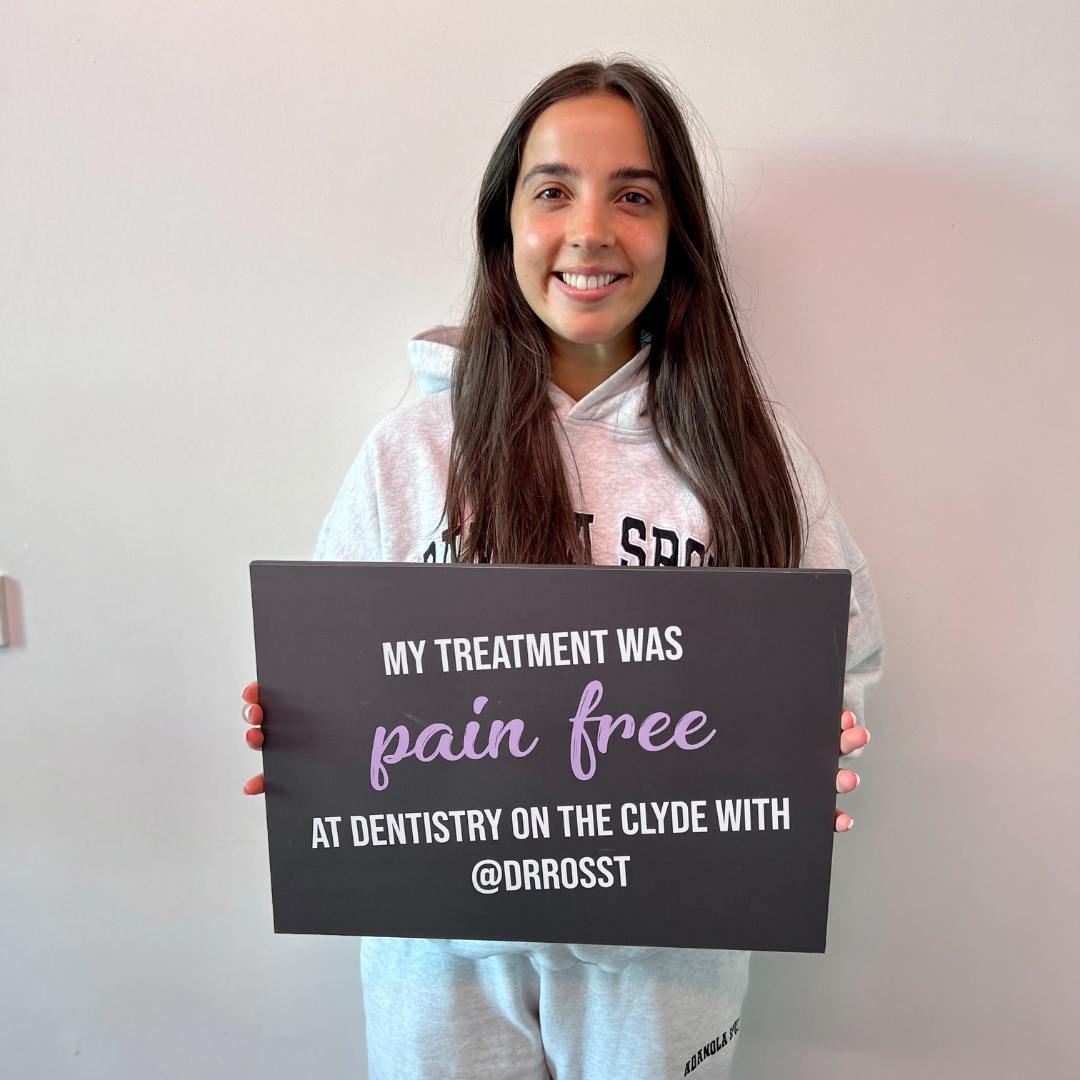
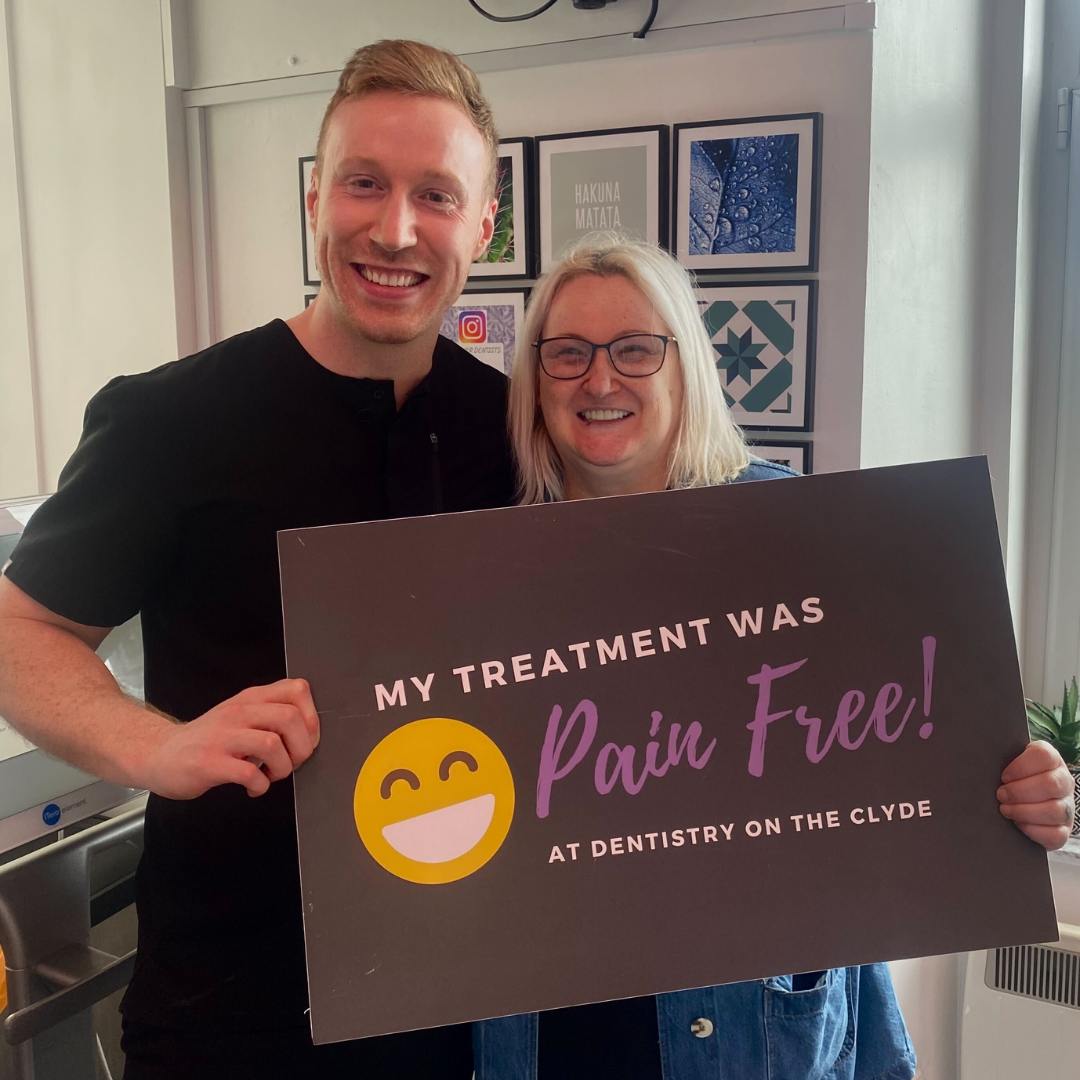
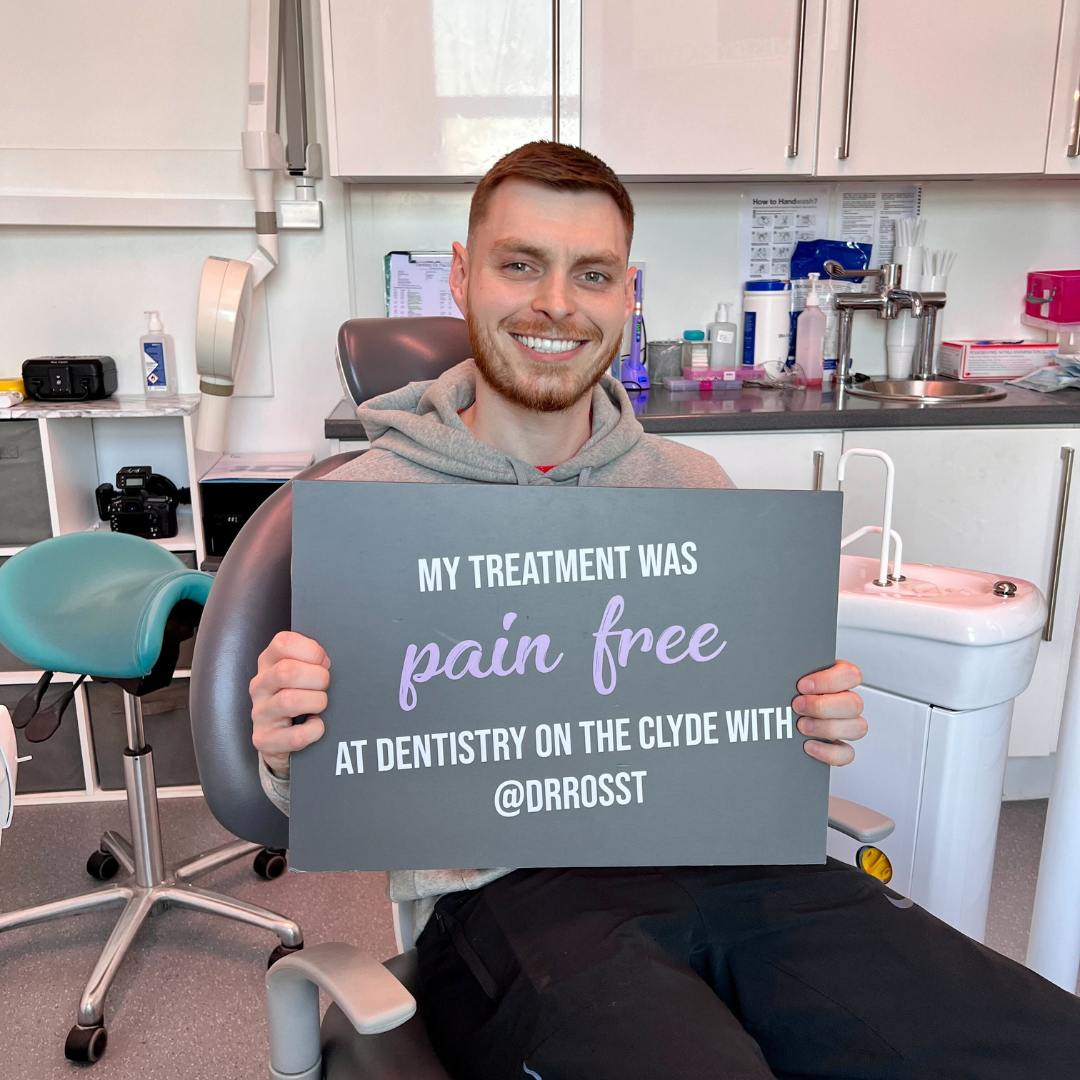
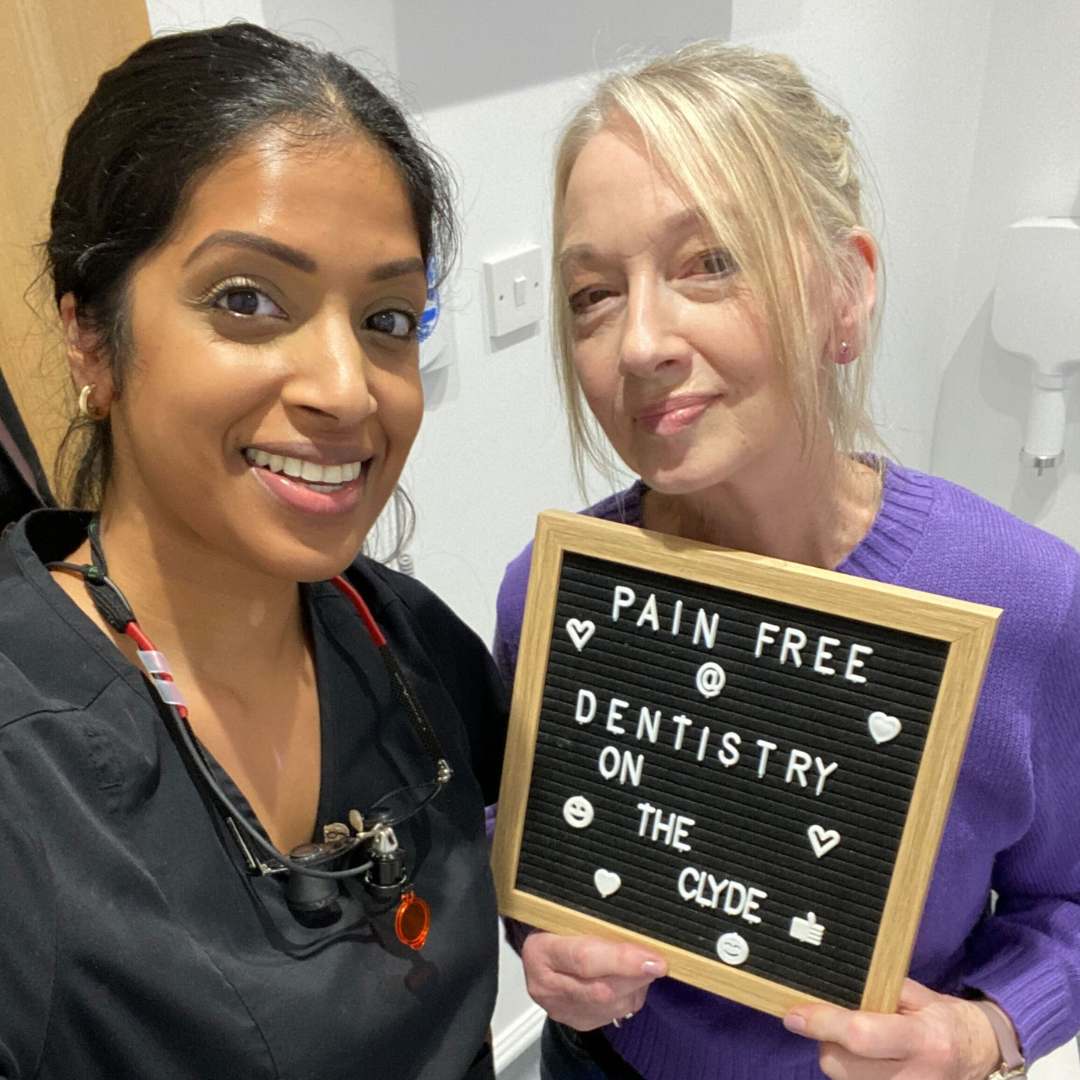
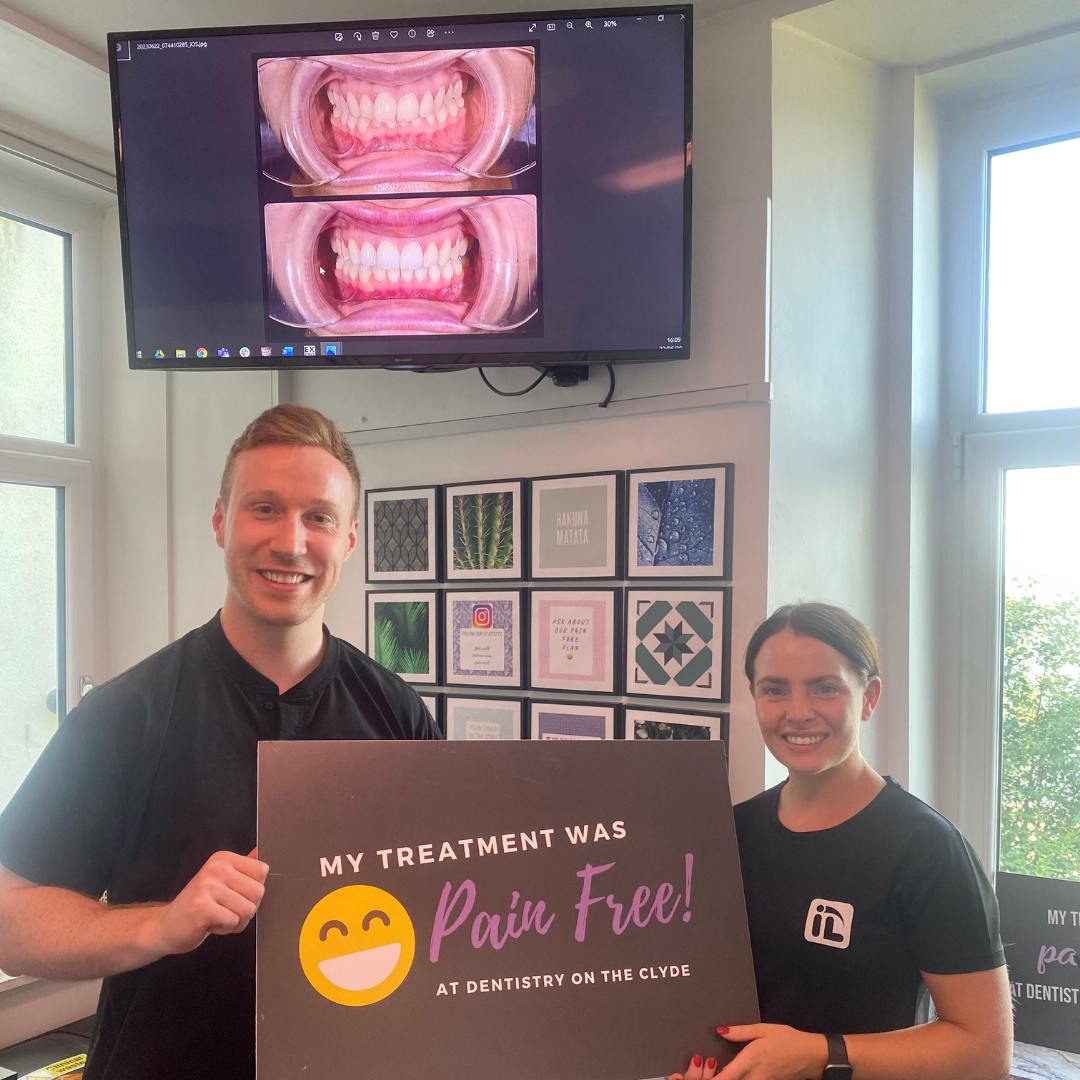
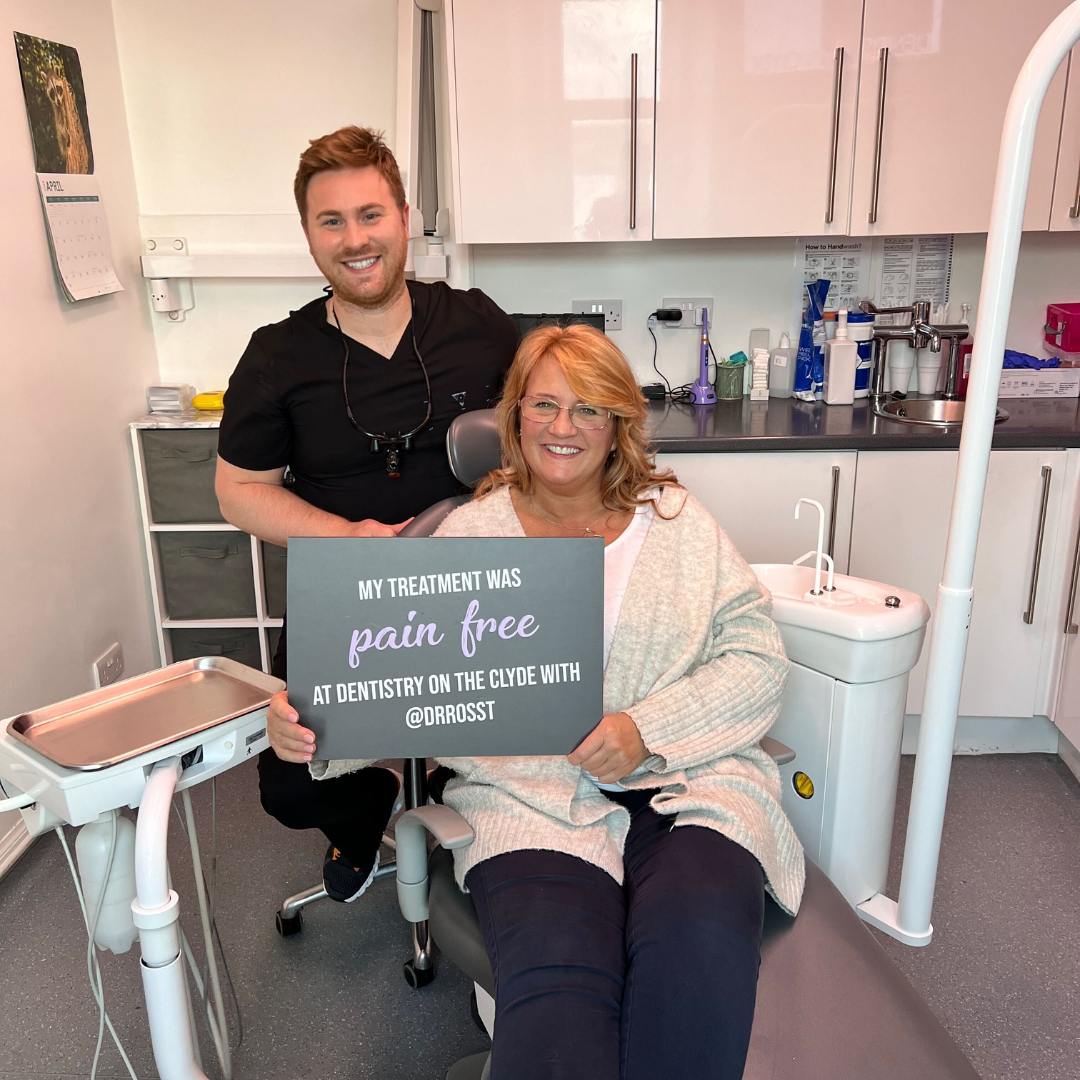
Nope! One of the best parts about bonding is that it’s completely pain-free. Most treatments are done without any anaesthetic.
How to Care for Your Bonded Teeth
- Brush twice a day with fluoride toothpaste
- Avoid staining foods (like coffee and red wine)
- Don’t smoke
- Use a mouthguard if you grind your teeth at night
- Visit us for regular check-ups
Your bonded teeth deserve the VIP treatment, just like the rest of your smile.
Real Results from Real Patients in Gourock
We’ve seen first-hand how this treatment changes lives. Our patients often say they feel more confident, more outgoing, and even more themselves after bonding.
You don’t need a movie star budget to look and feel amazing.
What Does Composite Bonding Cost at Dentistry on the Clyde?
Prices vary depending on how many teeth you’re bonding, but we offer affordable packages and 0% finance to make your dream smile a reality.
During your consultation, we’ll give you a full breakdown, no surprises, just transparency.
Who Is a Good Candidate for Composite Bonding?
You’re a great fit if:
- You have minor aesthetic flaws
- Your teeth and gums are healthy
- You want fast, affordable results
- You prefer a non-invasive solution
Not sure if it’s right for you? Just pop in for a free smile consultation and we’ll walk you through everything.
How Long Does a Composite Bonding Appointment Take?
Most treatments are completed in just 1 to 2 hours. That means you could literally pop in on your lunch break and leave with a brand-new smile.
Can You Eat Normally After Composite Bonding?
Absolutely! We just recommend avoiding super-hard or sticky foods for the first 24 hours. After that, it’s business as usual.
Book Your Composite Bonding Appointment Today
So, what are you waiting for? Your perfect smile is just one appointment away.
Whether you want a subtle change or a full smile refresh, Dentistry on the Clyde is here to make it happen with care, precision, and plenty of smiles along the way.
Conclusion: It’s Time to Smile with Confidence
Composite bonding isn’t just about looks, it’s about how you feel when you smile. At Dentistry on the Clyde, we believe everyone deserves to feel amazing about their teeth.
With our friendly team, cutting-edge techniques, and personalised care, your dream smile is closer than you think.
Let’s make it happen, together.
FAQs
1. Is composite bonding permanent?
No, it’s a reversible and non-invasive treatment that can last for years with the right care.
2. Can I get composite bonding on just one tooth?
Absolutely! Whether it’s one tooth or a full smile makeover, we tailor everything to your needs.
3. Is composite bonding suitable for smokers?
Yes, but keep in mind that smoking can stain the resin over time. We recommend quitting or cutting back.
4. How soon can I eat after the treatment?
You can eat after about an hour, but try to avoid hard or sticky foods for the first 24 hours.
5. What’s the best age for composite bonding?
It’s ideal for adults and older teens whose teeth have fully developed.