Choosing a Dentist in Gourock: What Patient Focused Care Should Look Like
Choosing a Dentist in Gourock: What Patient-Focused Care Should Look Like
Choosing a dentist is about more than finding a practice that is close to home. We believe the way you are welcomed, listened to and cared for can make a real difference to your experience at the dentist.
If you are looking for a dentist in Gourock, you may be thinking about more than just the treatments available. You might want a dental team that takes the time to understand your concerns, explains things clearly and helps you feel comfortable throughout your care.
At Dentistry On The Clyde, we believe patient-focused dentistry starts with understanding the person sitting in the dental chair.
Patient-focused dentistry starts with listening
Everyone’s experience of dentistry is different. You may have a particular dental problem that needs attention, concerns about treatment or a previous experience that has made you nervous about visiting the dentist.
We want you to feel comfortable talking to us about those concerns.
During your appointment, you can explain what is worrying you in your own words. You do not need to know dental terminology or have all the answers. Our role is to listen, understand what matters to you and explain things in a way that is easy to follow.
We also encourage our patients to ask questions. If there is something you are unsure about, we would much rather you ask than leave an appointment feeling uncertain.
Clear explanations help you make informed decisions
We believe you should understand your treatment before deciding whether to go ahead.
If we recommend treatment, we will explain what we have found, why treatment may be appropriate and what the proposed treatment involves. We provide written treatment plans and cost information before treatment begins.
We know that having a clear understanding of your options can make dental decisions feel much easier. Our aim is to give you the information you need so that you can make an informed decision about your own dental care.
There should never be any need to feel rushed into making a decision.
We understand that some patients feel nervous about dentistry
For some people, visiting the dentist is straightforward. For others, even making an appointment can feel like a big step.
If you are nervous about dentistry, please tell us. You are not alone, and there is no need to feel embarrassed about being anxious.
We have a dedicated approach for nervous patients and use a range of techniques to help make treatment more comfortable. For patients who need additional support, we also offer sedation dentistry.
If fear of the dentist has caused you to put off appointments in the past, talking to us about your concerns before treatment can be a good place to start.
You can read more about how we support nervous patients on our Nervous Patients page.
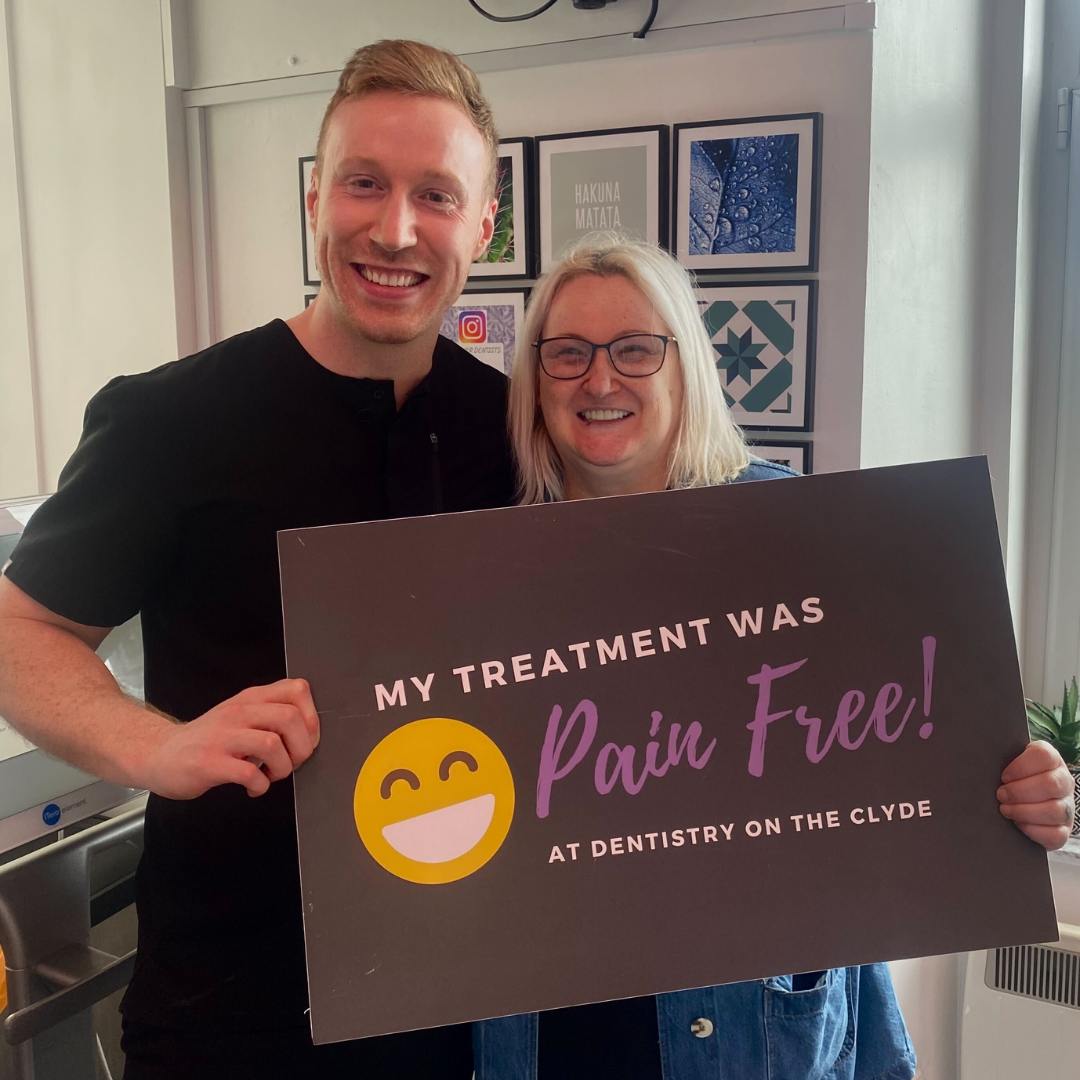
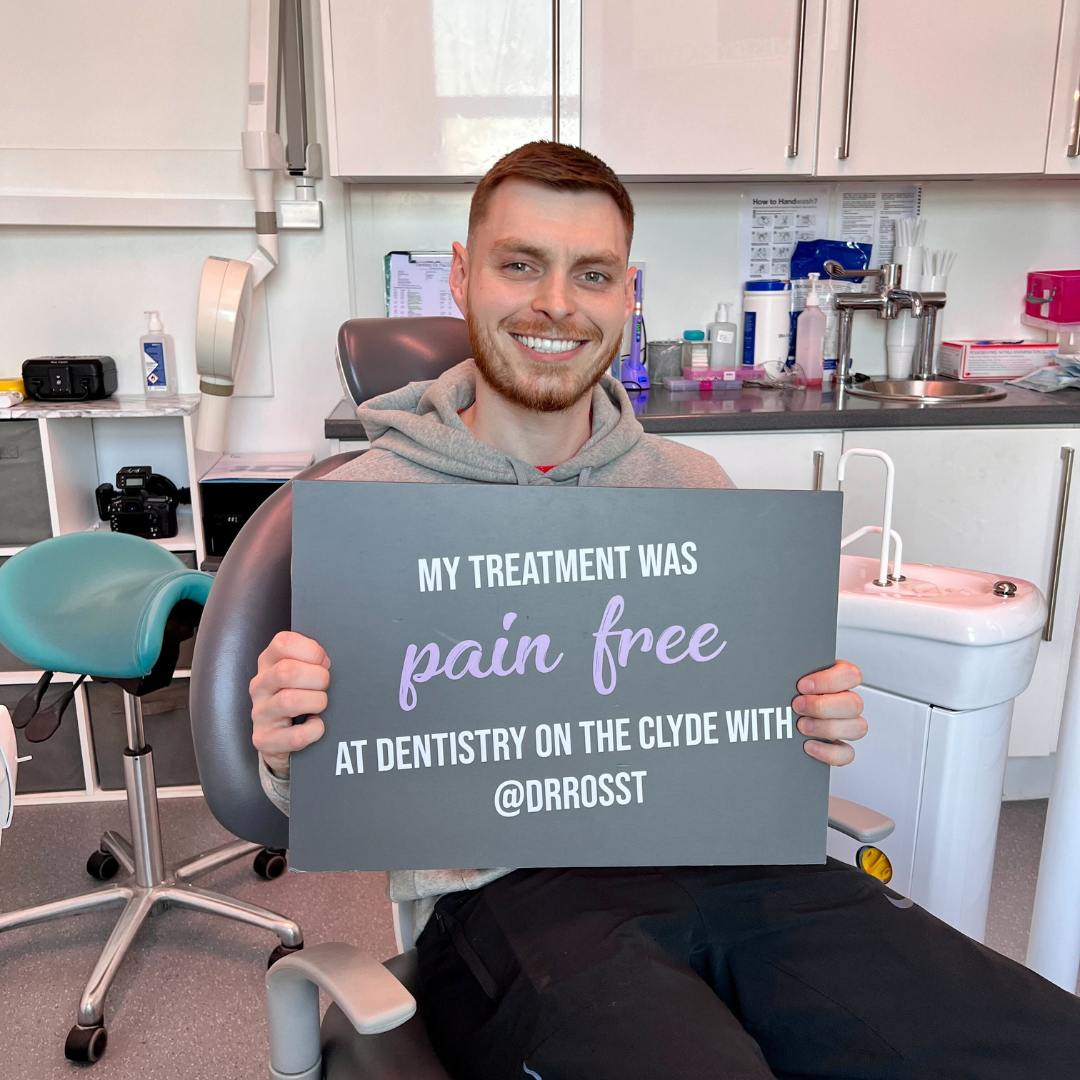
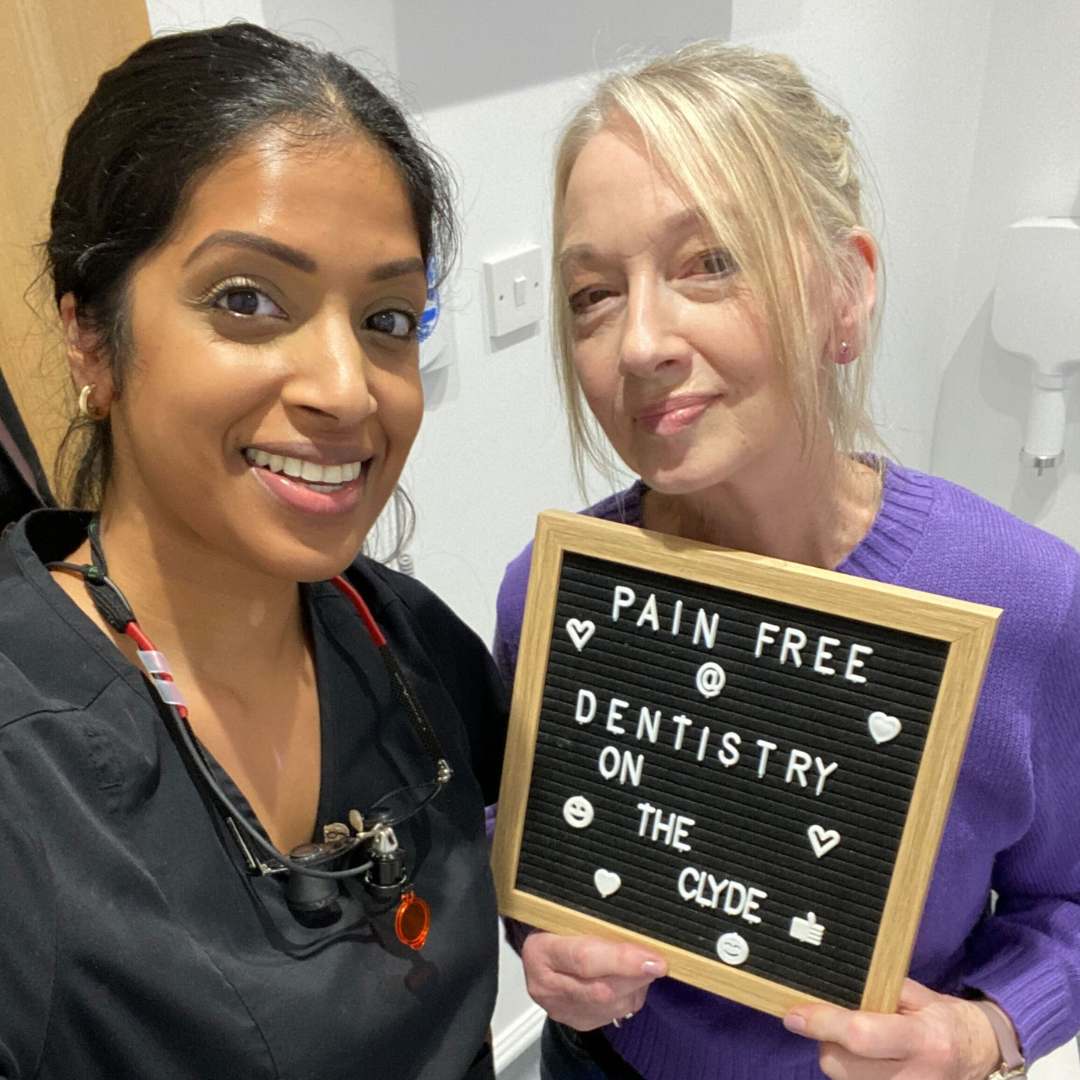
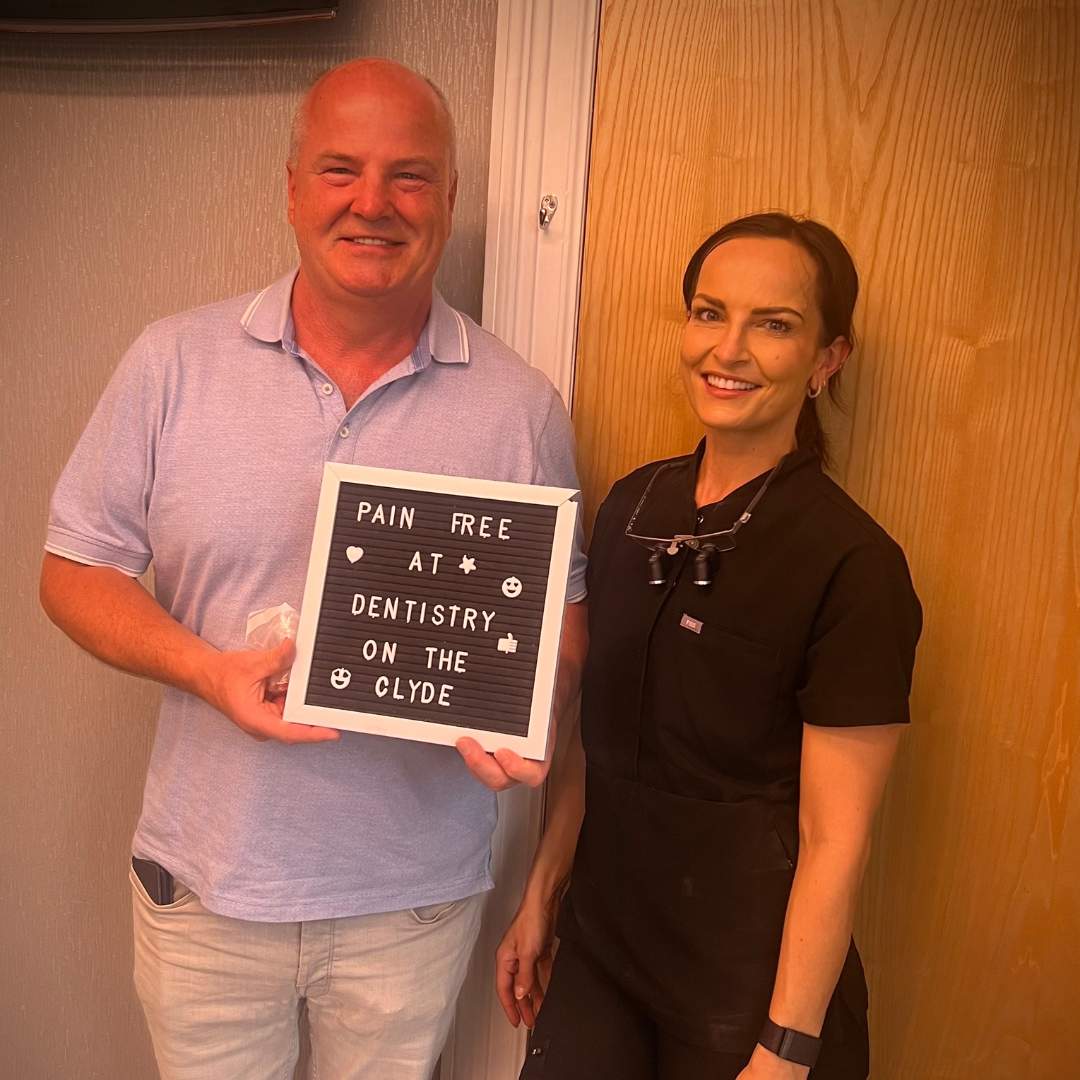
We take comfort and pain management seriously
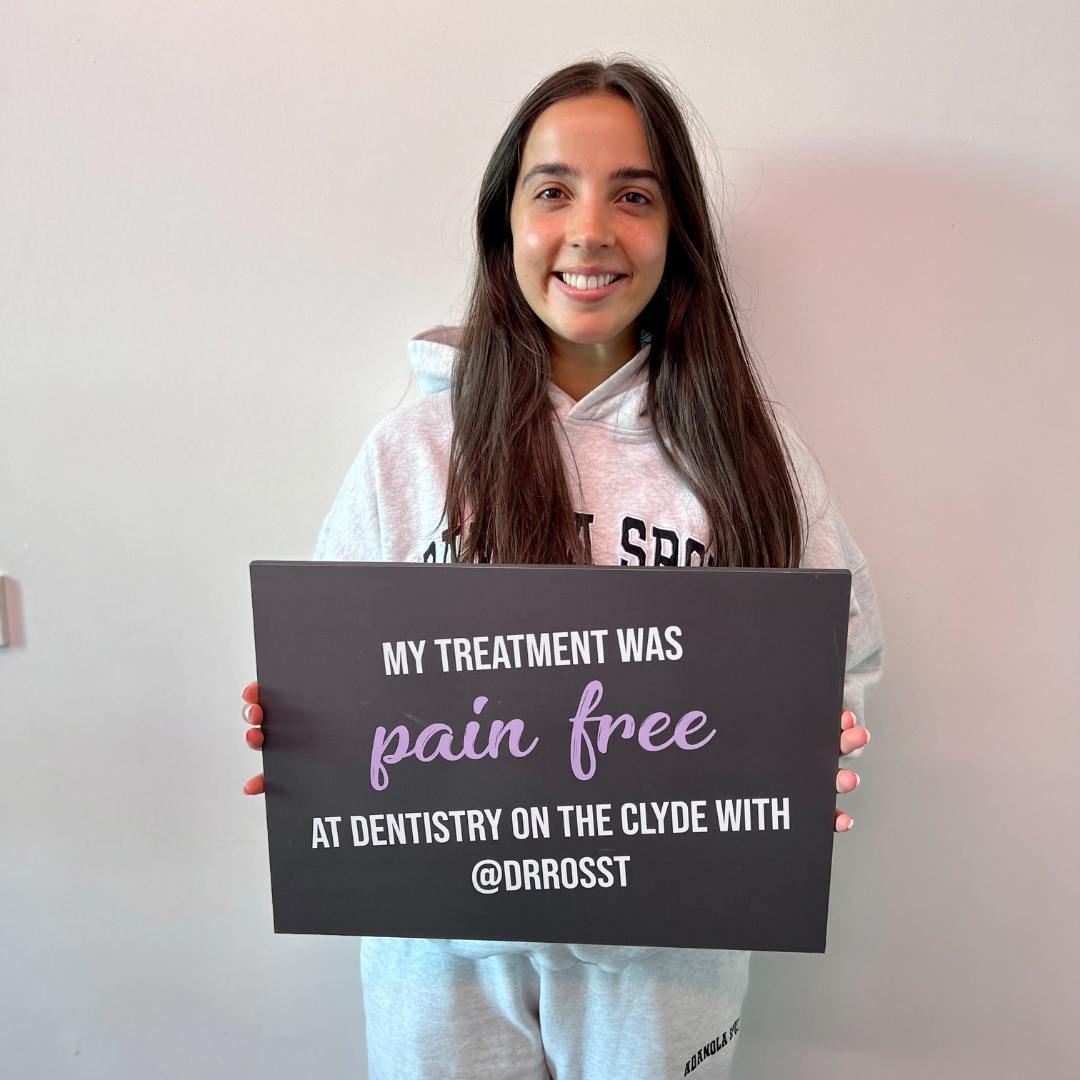
One of the most common concerns we hear from patients is whether treatment will hurt.
We understand why this can be a worry, particularly if you have had an uncomfortable dental experience in the past. We use a number of techniques designed to make treatment as comfortable as possible, including topical numbing gel, warmed local anaesthetic, slow injection and a computer-based delivery system.
Of course, every patient and every procedure is different. Our aim is to talk to you about your comfort before treatment begins and make sure you feel able to tell us if you are uncomfortable at any point.
You should feel comfortable asking questions
Good communication is an important part of the relationship between a patient and their dental team.
We want our patients to feel that they have time to ask questions and understand what is happening. Whether you are attending for a routine examination or discussing more complex treatment, we are happy to explain things and talk through your concerns.
Our team includes dentists, dental therapists, hygienists, nurses and support staff, allowing us to provide different aspects of dental care within the practice.
You can find out more about our team on our [Meet The Team] page.
Continuity can help you feel more comfortable
Building a relationship with your dental team can make visits easier, particularly if you are nervous or need treatment over a number of appointments.
Seeing familiar faces and getting to know the people caring for you can help you feel more at ease over time. We want our patients to feel that they know who they are talking to and that their concerns are being listened to.
Regular dental visits can also help us understand your individual needs and provide continuity as your dental care develops.
Practical access matters too
Finding the right Gourock dentist also means finding a practice that works for you in practical terms.
Our practice is located at:
Dentistry On The Clyde
24 Kempock Street
Gourock
PA19 1NA
We offer weekday appointments as well as Saturday availability. Opening hours and appointment availability can change, so please contact our team for the latest information.
If you are considering joining the practice, you can find out more through our Join Our Practice page.
What our patients say
Reviews can provide an insight into how other people have experienced a dental practice, although we recognise that every patient’s experience is individual.
One of our patients, Stephen, shared:
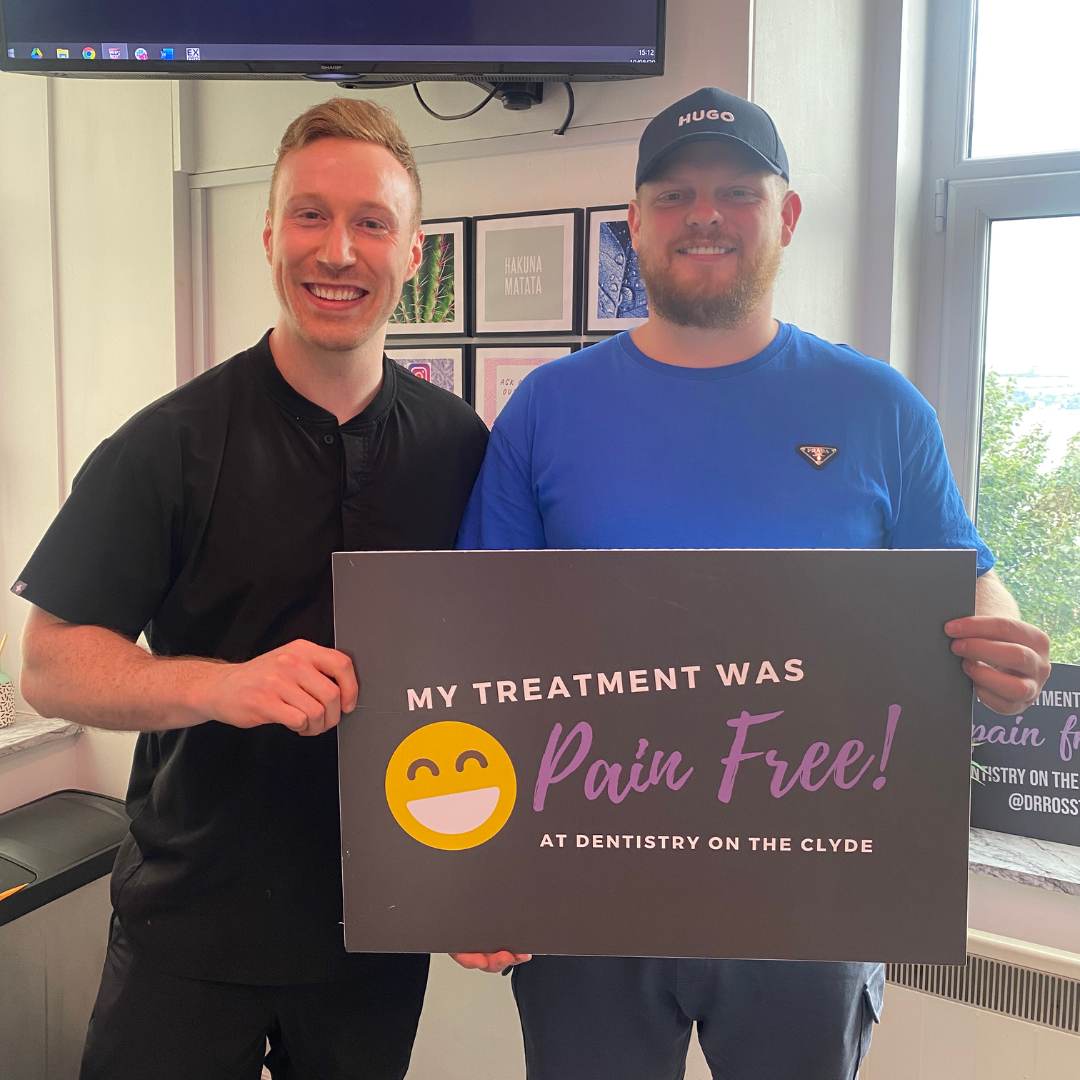
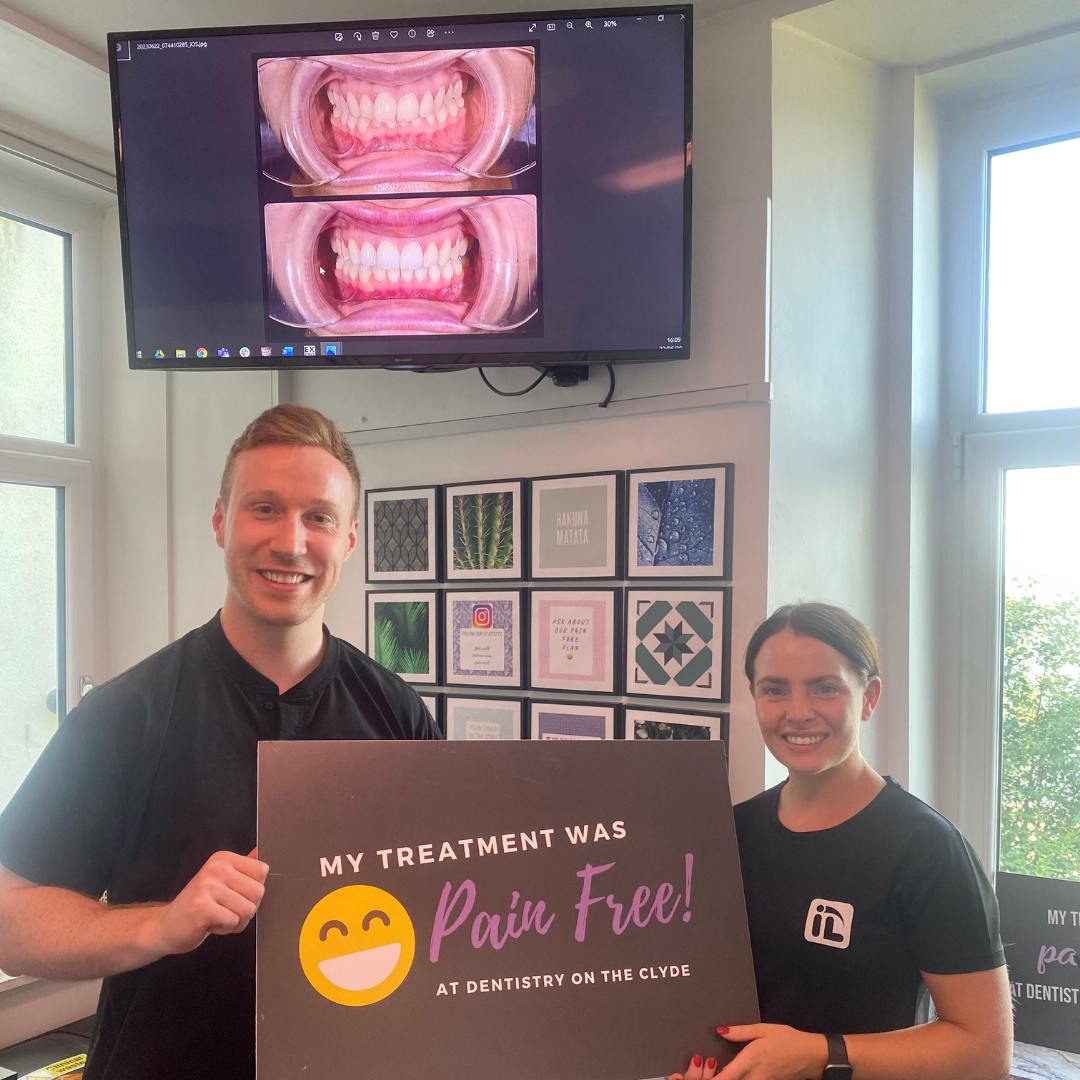
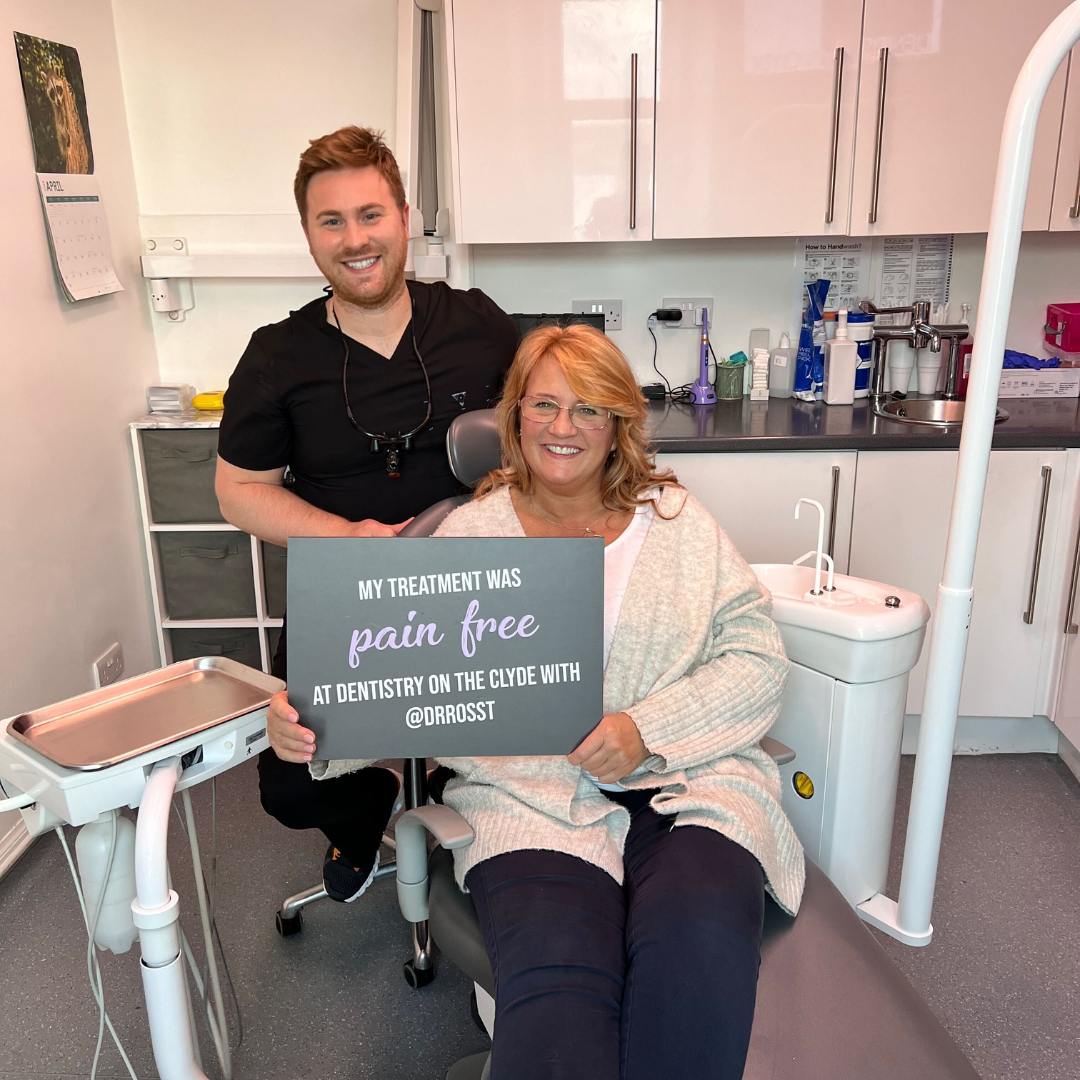
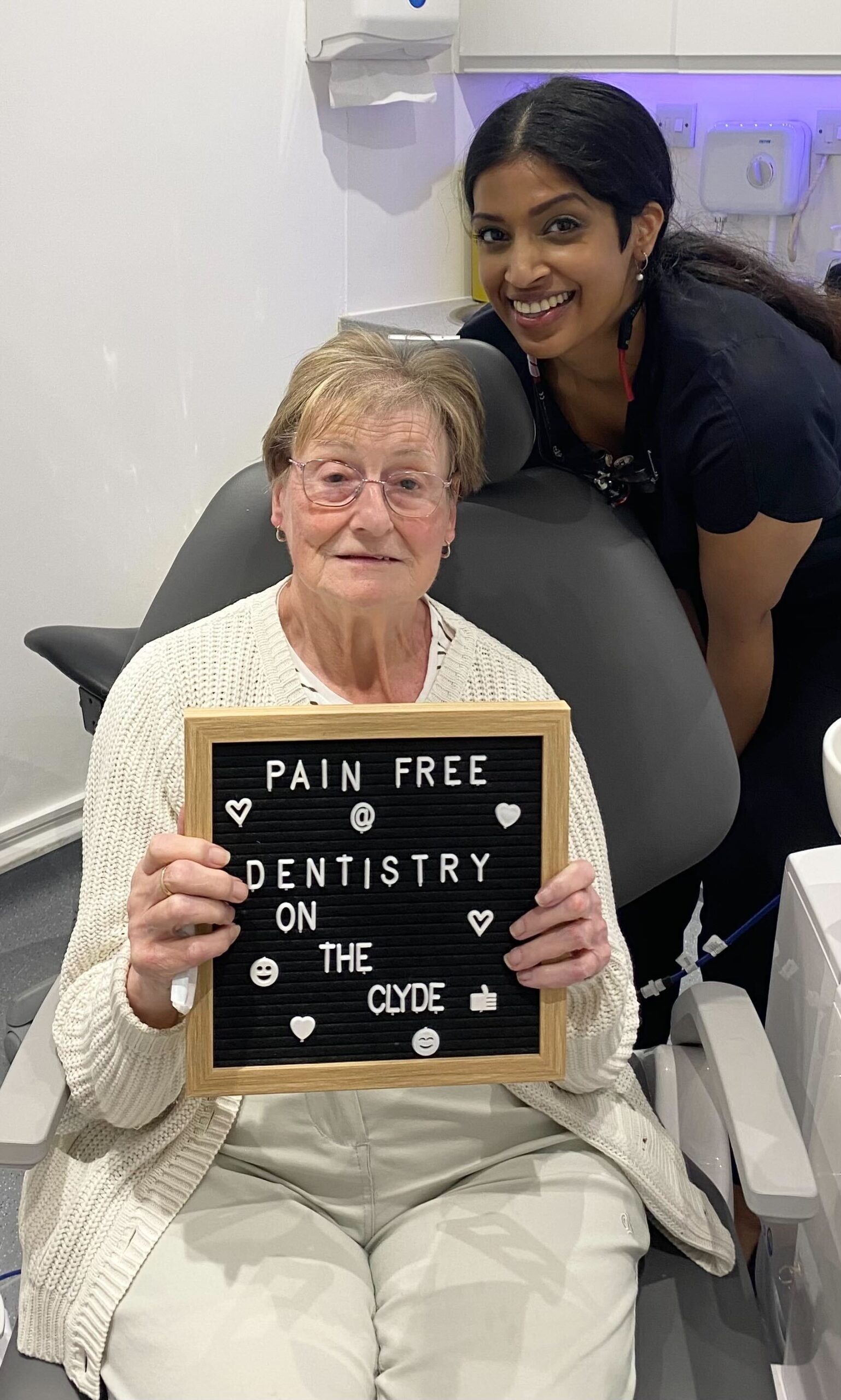
“Made me feel very relaxed, the treatment was pain free and I walked out feeling a lot more comfortable about potential treatment in the future.”
We are particularly pleased when patients tell us that they feel more comfortable about visiting the dentist after their appointment. For us, that is an important part of patient-focused care.
Finding the right dentist for you
There is no single feature that makes a dental practice right for everyone.
For some people, location and appointment availability will be most important. For others, it may be having a dental team that understands nervous patients, provides clear information about treatment or takes the time to answer questions.
If you are looking for a dentist in Gourock, we would be happy to talk to you about your needs and answer any questions you may have before you decide whether to join the practice.
Our aim is simple: to provide dental care in an environment where you feel listened to, informed and comfortable.
Frequently asked questions
How do I choose a dentist in Gourock?
Think about what matters most to you. This could include the location of the practice, appointment arrangements, communication, support for nervous patients and the treatments you may need. Patient reviews can also help you understand how other people have experienced the practice.
What should I ask a dentist before starting treatment?
You can ask what the dentist has found, why treatment has been recommended, what options are available and what the next steps will involve. We encourage our patients to ask questions so they feel comfortable and informed before making a decision.
Can I tell my dentist that I am nervous?
Absolutely. We encourage you to tell us if you are nervous about visiting the dentist. Letting us know about your concerns means we can discuss ways to help make your appointment more comfortable.
What does pain-free dentistry mean at Dentistry On The Clyde?
We use a number of techniques designed to make dental treatment more comfortable. These include topical numbing gel, warmed local anaesthetic, slow injection and a computer-based delivery system.
Where is Dentistry On The Clyde?
You can find us at:
24 Kempock Street
Gourock
PA19 1NA
Our telephone number is 01475 777478 and our email address is info@dentistryontheclyde.co.uk.
Can I join Dentistry On The Clyde as a new patient?
Yes, you can contact our team to ask about joining the practice. Our Join Our Practice page also provides information for people interested in becoming patients. Please contact us directly to confirm current availability and appointment arrangements.
Looking for a dentist in Gourock?
If you are looking for a dental practice in Gourock and would like to discuss your needs before booking an appointment, please get in touch with our team.
Whether you are looking for routine dental care, have a specific concern or feel nervous about visiting the dentist, we are happy to answer your questions and explain what you can expect.
Dentistry On The Clyde
24 Kempock Street
Gourock
PA19 1NA
Telephone: 01475 777478
Email: info@dentistryontheclyde.co.uk